
-16%
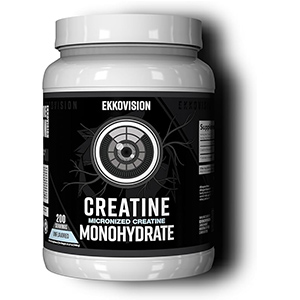
Creatine monohydrate has decades of research behind it, and EkkoVision’s version keeps things simple: pure creatine monohydrate, micronized for finer particle size, unflavored, and nothing else added. No proprietary blends, no filler ingredients — just the form of creatine most consistently used in clinical strength and performance studies.
For anyone comparing supplement labels line by line, that simplicity is the whole point of choosing pure creatine monohydrate over blended or “enhanced” formulas that dilute the actual creatine dose per serving.
This is one of the most common points of confusion in the category, and it’s worth clearing up directly: the comparison micronized creatine vs creatine monohydrate isn’t really a comparison between two different ingredients — micronized creatine is creatine monohydrate, just processed into smaller particles.
So the micronized creatine vs creatine monohydrate question usually comes down to preference: if you’ve had digestive discomfort or gritty texture with standard creatine, micronized versions like this one are worth trying.
Alongside powders, creatine monohydrate gummies have grown in popularity for convenience — no mixing, no water needed, easy to travel with. But the format trade-off is real:
If dosing precision matters to you, a pure creatine monohydrate powder generally offers more control than creatine monohydrate gummies at equivalent serving sizes.
Reading an EkkoVision creatine review before buying is a reasonable step, since formula transparency varies a lot across the creatine category. Common themes that show up across EkkoVision creatine review feedback:
As with any supplement, it’s worth reading a spread of EkkoVision creatine review feedback rather than only the top-rated posts, since individual response to creatine varies by body weight, diet, and training volume.
Is micronized creatine better absorbed than regular creatine monohydrate?
Research doesn’t show a significant absorption advantage — the main difference is improved solubility and reduced grittiness, not superior effectiveness.
How much pure creatine monohydrate should I take daily?
Most research supports a standard maintenance dose of 3-5g/day, taken consistently. Some protocols use a short loading phase (around 20g/day split into doses for 5-7 days), though it isn’t required for effectiveness long-term.
Are creatine monohydrate gummies as effective as powder?
They can be, provided the total daily creatine dose matches what’s used in research (typically 3-5g). Check gummy serving sizes carefully, since matching a full dose may require several gummies.
Does creatine cause water retention or bloating?
Some people experience mild water retention in muscle tissue (not under the skin), which is a normal part of how creatine works. This is separate from digestive bloating, which micronized formulas may help reduce for sensitive users.
This product is a dietary supplement and has not been evaluated by the FDA. It is not intended to diagnose, treat, cure, or prevent any disease. Consult a healthcare provider before starting any new supplement, particularly if you have kidney concerns, are pregnant or nursing, or are taking medication.


No account yet?
Create an AccountYou must be 18 years of age or older to view page. Please verify your age to enter.
Your access is restricted because of your age.
Reviews
There are no reviews yet.